The historical journey of gambling From ancient rituals to modern casinos
The Origins of Gambling
The practice of gambling dates back to ancient civilizations, where it often intertwined with rituals and societal traditions. Archaeological evidence suggests that early forms of gambling existed in Mesopotamia around 3000 BC, where people used dice made from bones. These games were not just for entertainment; they were deeply embedded in cultural practices, often used to make decisions or predict the future. Today, people can also enjoy the best online pokies nz that cater to modern preferences.
In ancient China, gambling can be traced back to the Shang Dynasty (1600-1046 BC), where it was associated with divination and worship. People participated in games involving betting on the outcomes of events, reflecting a society that was not only accepting of chance but also mystifyingly connected to its outcomes. This foundation set the stage for gambling to evolve as a popular social activity through the ages.
The Development of Gambling in the Middle Ages
During the Middle Ages, gambling began to gain popularity in Europe, particularly with the rise of card games. These games often mirrored the social hierarchies of the time, with aristocrats frequently engaging in high-stakes wagers. The introduction of playing cards from Asia provided new avenues for gambling, leading to the establishment of public gaming houses.
However, gambling was met with mixed reactions from authorities. While some saw it as a legitimate pastime, others viewed it as a vice that led to moral decay. This tension prompted the regulation of gambling in many regions, influencing how games were played and who could participate. The evolution of gambling during this period reflects the broader societal changes occurring in Europe, including shifts in class and power dynamics.
The Rise of Modern Gambling
The 19th century marked a significant turning point in the history of gambling, particularly with the establishment of casinos. The first modern casino, the Casino di Venezia, opened its doors in 1638, setting a precedent for gambling establishments around the world. By the time of the Industrial Revolution, the proliferation of railroads and improved communication allowed for the rapid spread of gambling venues across Europe and America.
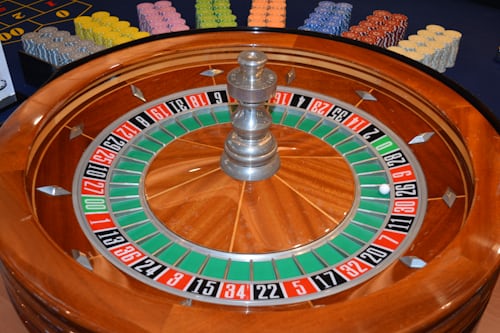
This era saw the birth of popular games such as poker and roulette, attracting diverse crowds looking for excitement and profit. The allure of casinos transformed gambling into a glamorous activity, complete with lavish décor and entertainment. This glamour contributed to the legitimization of gambling in society, gradually shifting perceptions and making it more acceptable.
The Digital Transformation of Gambling
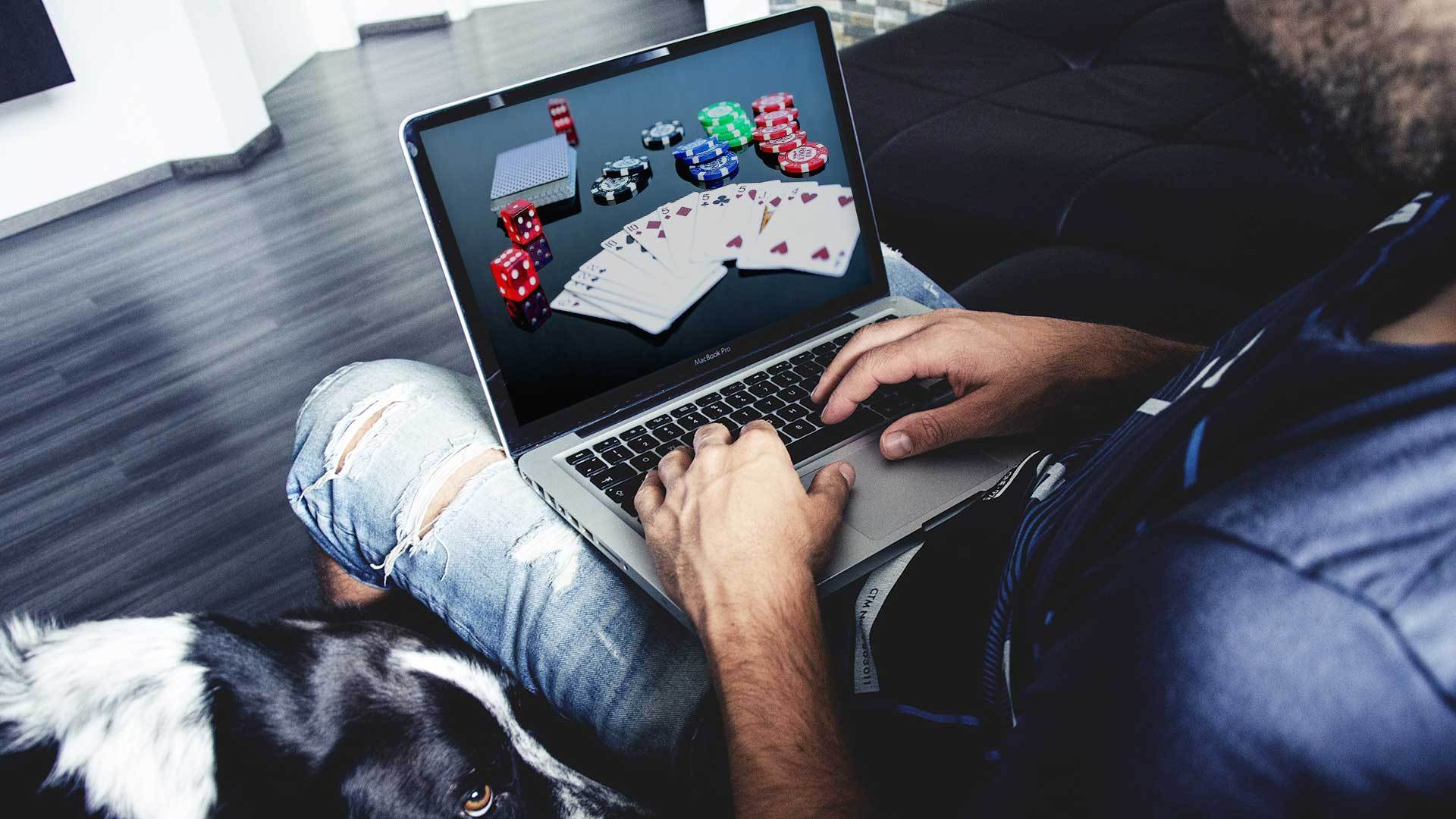
The late 20th century and early 21st century ushered in a digital revolution, profoundly impacting how gambling was conducted. The advent of the internet allowed for the rise of online casinos, enabling players to engage in their favorite games from the comfort of their homes. This shift not only expanded the audience but also introduced innovative gaming experiences that were previously unimaginable.
Modern online casinos offer a vast array of games, promotions, and conveniences such as mobile compatibility and instant withdrawals. However, this digital landscape has also raised concerns about regulation, responsible gambling, and accessibility. Balancing innovation with safety remains a critical challenge for the future of online gambling.
Explore the World of Online Gaming
Today, the world of gambling is more expansive than ever, with online platforms catering to a global audience. Players can access a diverse range of games, from classic card games to cutting-edge slots, all while enjoying the benefits of lucrative bonuses and promotions. The online gaming industry has developed an intricate ecosystem that ensures safety and ease of use for players.
Whether you’re an experienced gambler or a newcomer, exploring this vibrant world opens up endless possibilities for entertainment and excitement. The evolution of gambling has come a long way, and its future promises to be just as dynamic, reflecting the ongoing changes in technology and society.