

The evolution of gambling tracing its historical roots and cultural impacts
Ancient Beginnings
The roots of gambling can be traced back to ancient civilizations, where games of chance were often intertwined with rituals and spirituality. Archaeological findings reveal that dice made from animal bones date back to around 3000 BC in Mesopotamia, suggesting that these early games not only served entertainment purposes but also played a role in decision-making and divination practices. For those looking to elevate their gaming experience, senseizino.live offers a variety of options that echo this historical love for chance.
In ancient China, gambling was not only a pastime but also a significant aspect of social life. Games like Keno, believed to have originated around 200 BC, were used for fundraising purposes, highlighting the multifaceted nature of gambling in different cultures. This era laid the groundwork for the legal and societal frameworks that would evolve alongside gambling over the centuries.
Medieval Developments
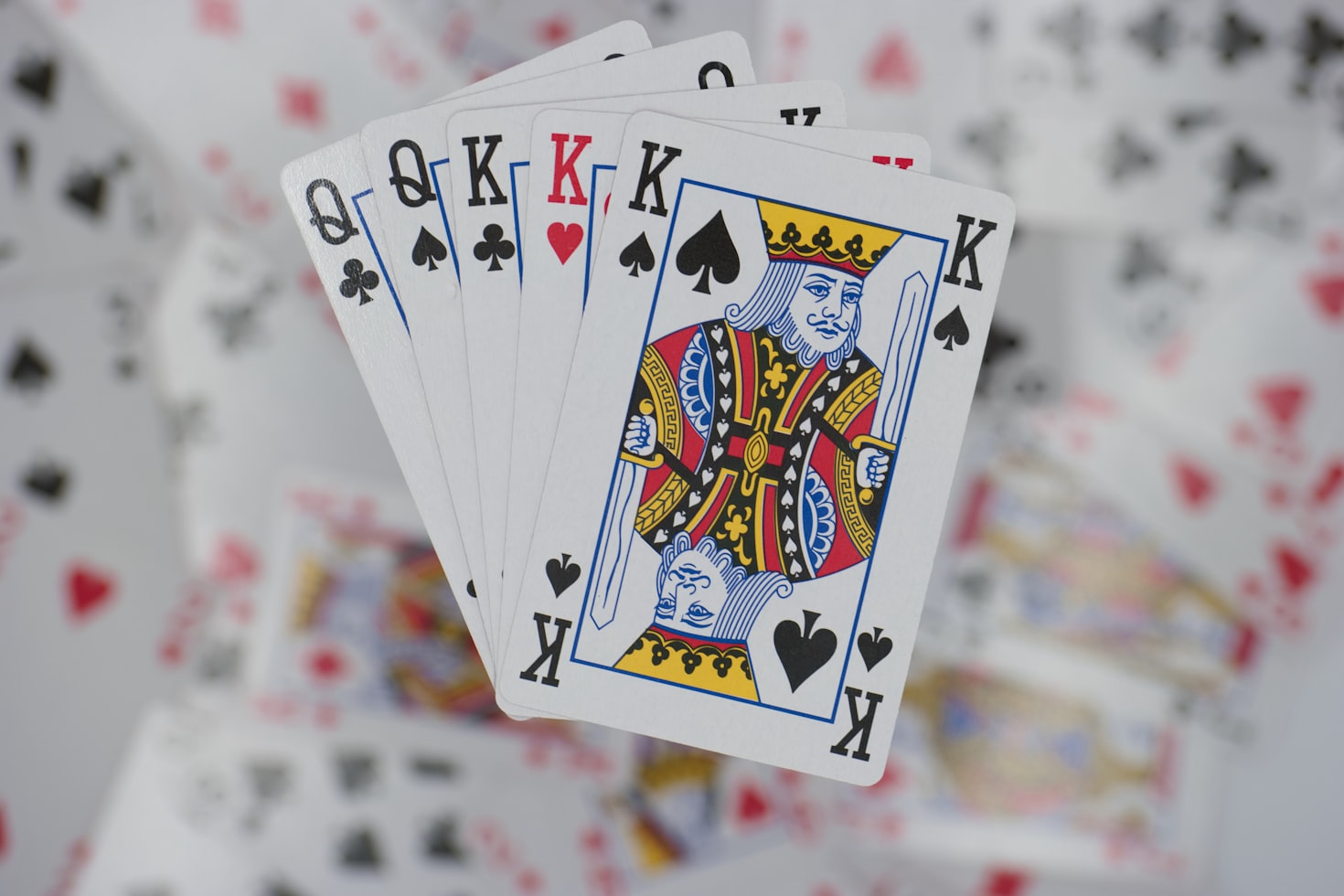
The Middle Ages saw the emergence of more structured forms of gambling, particularly in Europe. The introduction of card games in the 14th century marked a significant evolution, with games like Tarot and eventually Poker gaining popularity. These games not only entertained but also fostered social interaction across various social classes.
Moreover, the establishment of gambling houses and the regulation of bets became more prevalent during this period. Governments began to recognize the economic potential of gambling, leading to the establishment of lotteries to fund public projects, highlighting the transition from informal gaming to a more organized industry.
The Rise of Modern Gambling
The 19th century heralded a new era for gambling, characterized by the establishment of casinos and the proliferation of betting on horse races. The creation of the first official casino in Venice in 1638 set a precedent for the modern gaming industry, where luxury and entertainment became synonymous.
The advent of technology in the 20th century brought gambling into the digital age. With the introduction of online casinos in the late 1990s, players could access a myriad of gaming options from the comfort of their homes, dramatically transforming the landscape of gambling. This shift not only broadened access but also diversified the forms of gambling available, paving the way for mobile gaming and live dealer experiences.
Cultural Impacts of Gambling
Gambling has always held a mirror to societal values and norms, reflecting cultural attitudes toward risk, chance, and fortune. In many cultures, gambling is seen as a rite of passage or a means of social bonding, with festivals and community events centered around gaming activities. This cultural significance can often lead to conflicts, as the line between fun and addiction can be blurred.
Furthermore, the economic impact of gambling cannot be overlooked. In many regions, it contributes significantly to local economies through job creation and tourism. However, it also raises social concerns related to gambling addiction and its effects on families, prompting debates over the regulation and ethical considerations surrounding the industry.

Online Gambling Today
The modern landscape of gambling is increasingly dominated by online platforms, allowing users to engage in various gaming experiences at any time. Websites like Senseizino Casino provide a robust selection of games ranging from slots to live dealer options, catering to diverse player preferences. With promotions and bonuses, these platforms enhance the overall gaming experience and attract a larger audience.
Moreover, the accessibility of online gambling has led to a surge in participation, particularly among younger demographics. While this offers convenience and entertainment, it also raises important discussions about responsible gambling and the need for regulations that protect consumers from potential harm. As gambling continues to evolve, the balance between enjoyment and responsibility remains crucial in shaping its future.


